
Service-Learning Programs That Create Real Impact
Give students the chance to learn through hands-on projects shaped by local communities and genuine needs. Each program is designed to build social awareness, practical skills and meaningful connection while contributing to positive change.

Learning Through Meaningful Contribution
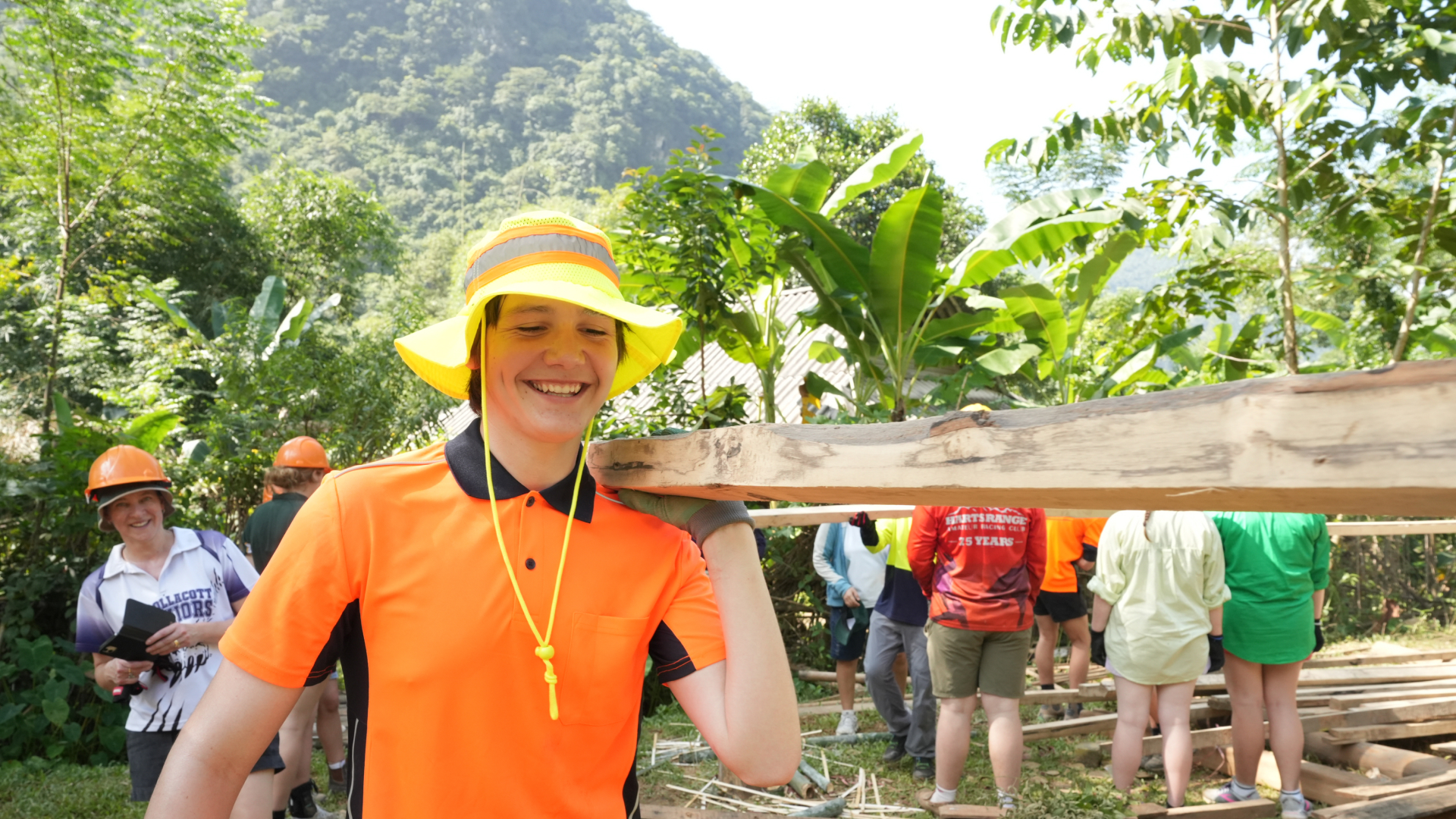
Service-learning gives students the chance to take part in hands-on projects that connect learning with real community needs. These programs help students build practical skills, social awareness and a deeper understanding of the people and places they visit.
Each project is designed to be more than a one-way act of service. Students learn through action, reflection and cultural exchange, while local communities benefit from support shaped around their own goals, priorities, long-term needs and future opportunities.
Each project is designed to be more than a one-way act of service. Students learn through action, reflection and cultural exchange, while local communities benefit from support shaped around their own goals, priorities, long-term needs and future opportunities.
Community Led, Carefully Planned
Every service-learning program begins with the needs and goals of the local community. We work with community leaders, local authorities and trusted partners to ensure each project is ethical, sustainable and genuinely useful.
Projects shaped around real community needs
Careful consultation with local leaders and authorities
Ethical programs designed to avoid tokenistic support
Opportunities for students and communities to learn from each other
Lasting benefits that support local skills, services and livelihoods

Service-Learning Program Types
Choose from three hands-on program types that help students contribute to community needs, build practical skills and reflect on the impact of their work through meaningful service-learning experiences.
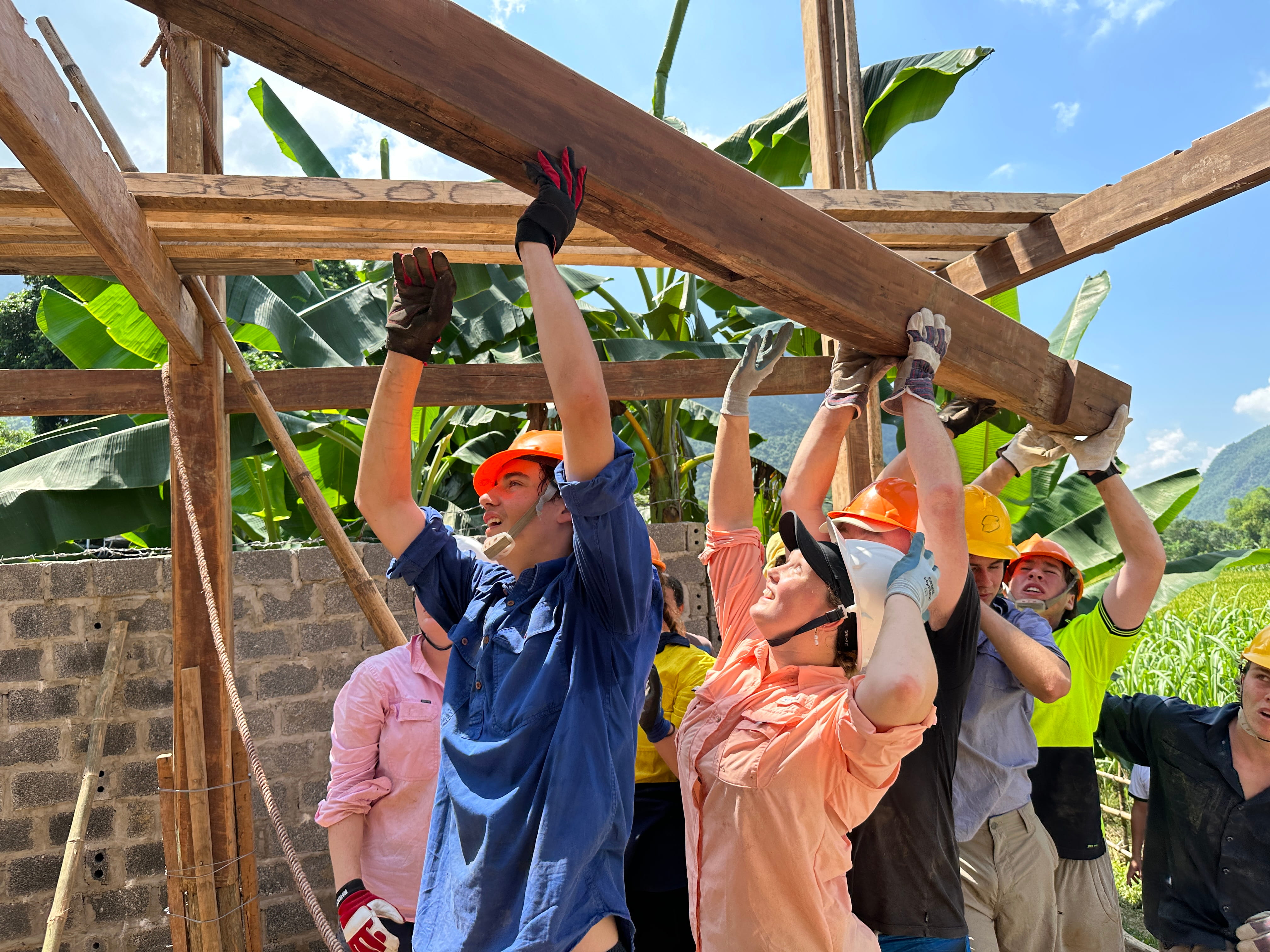
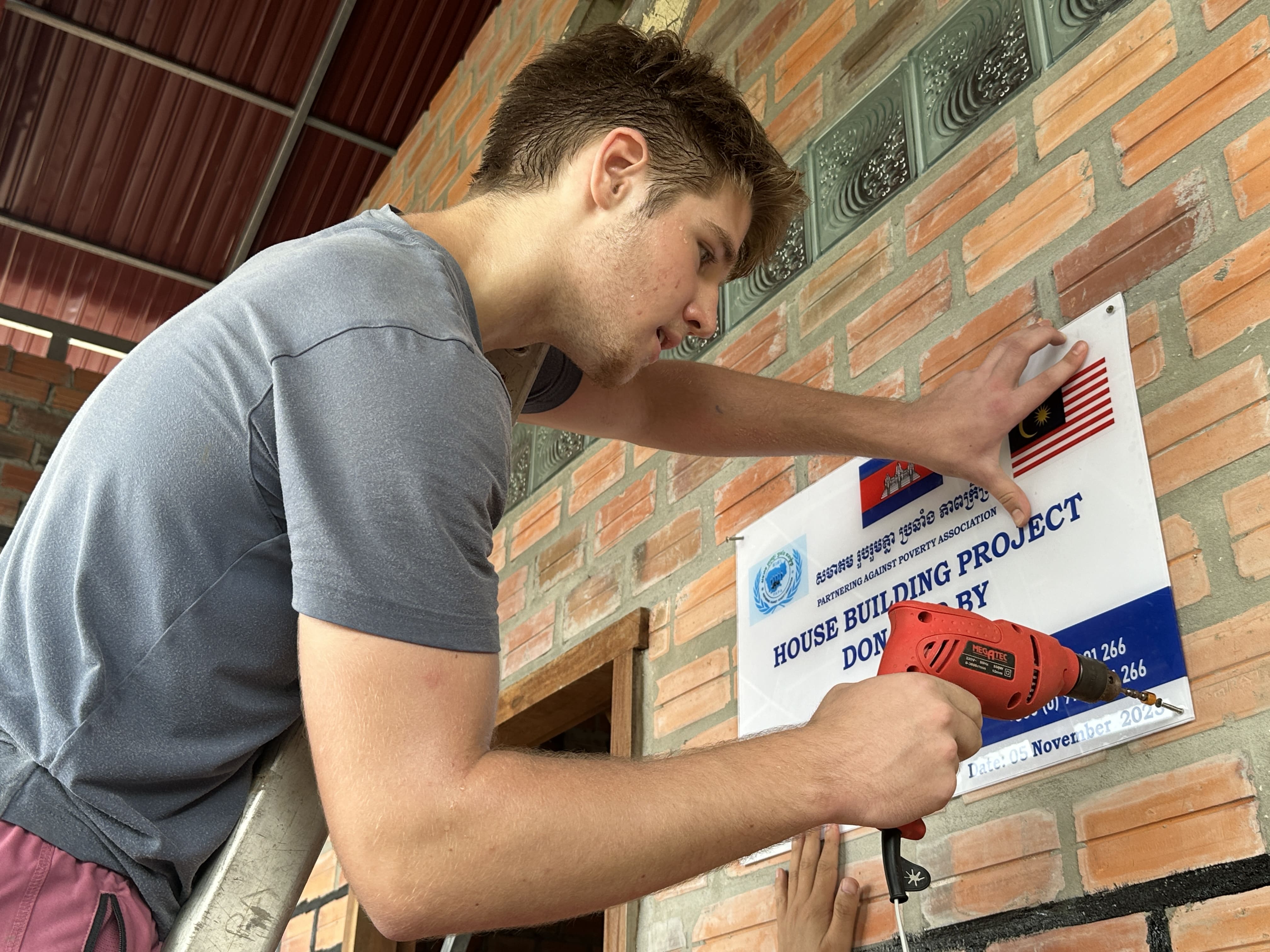
Physical Construction Projects
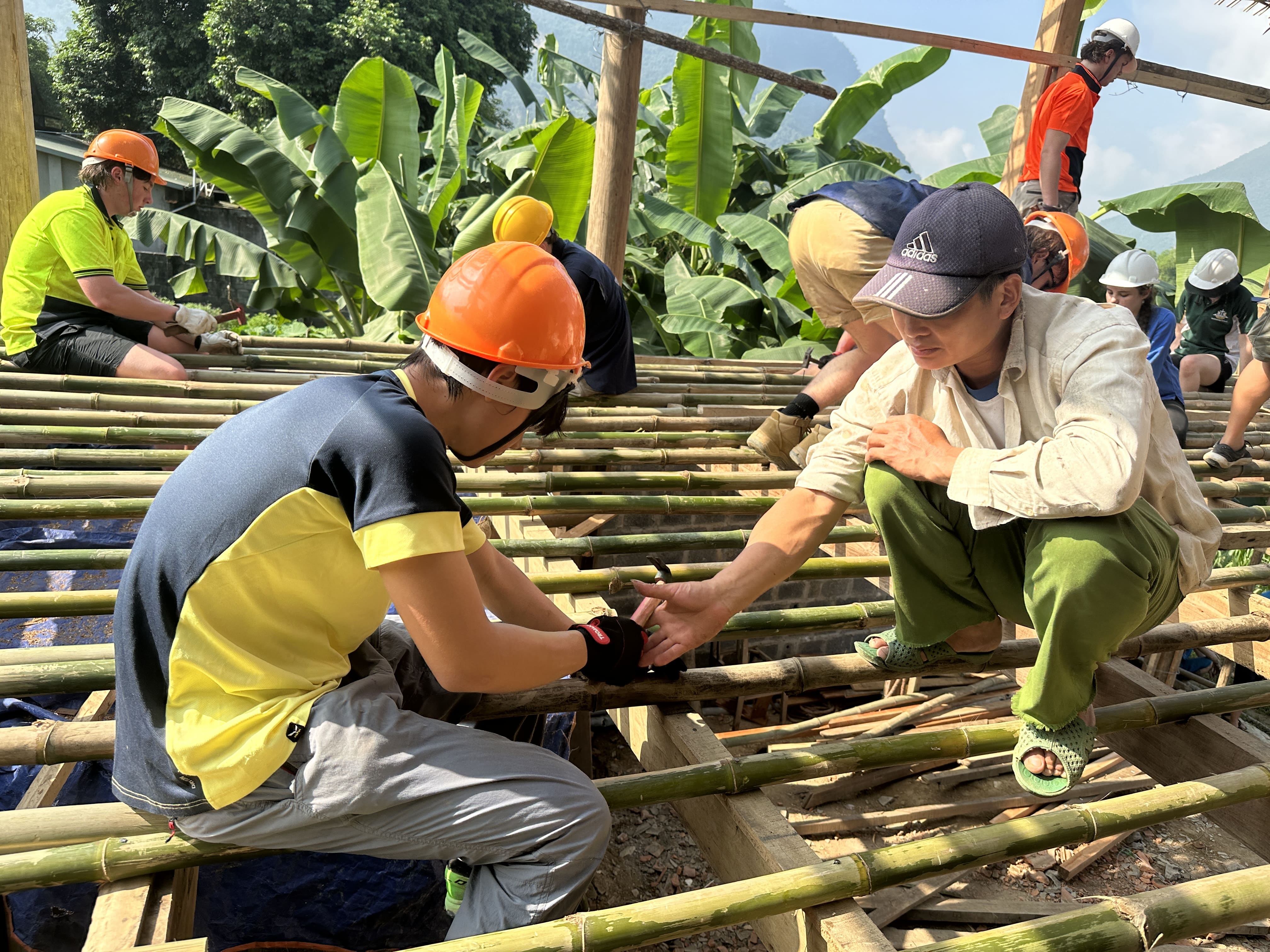
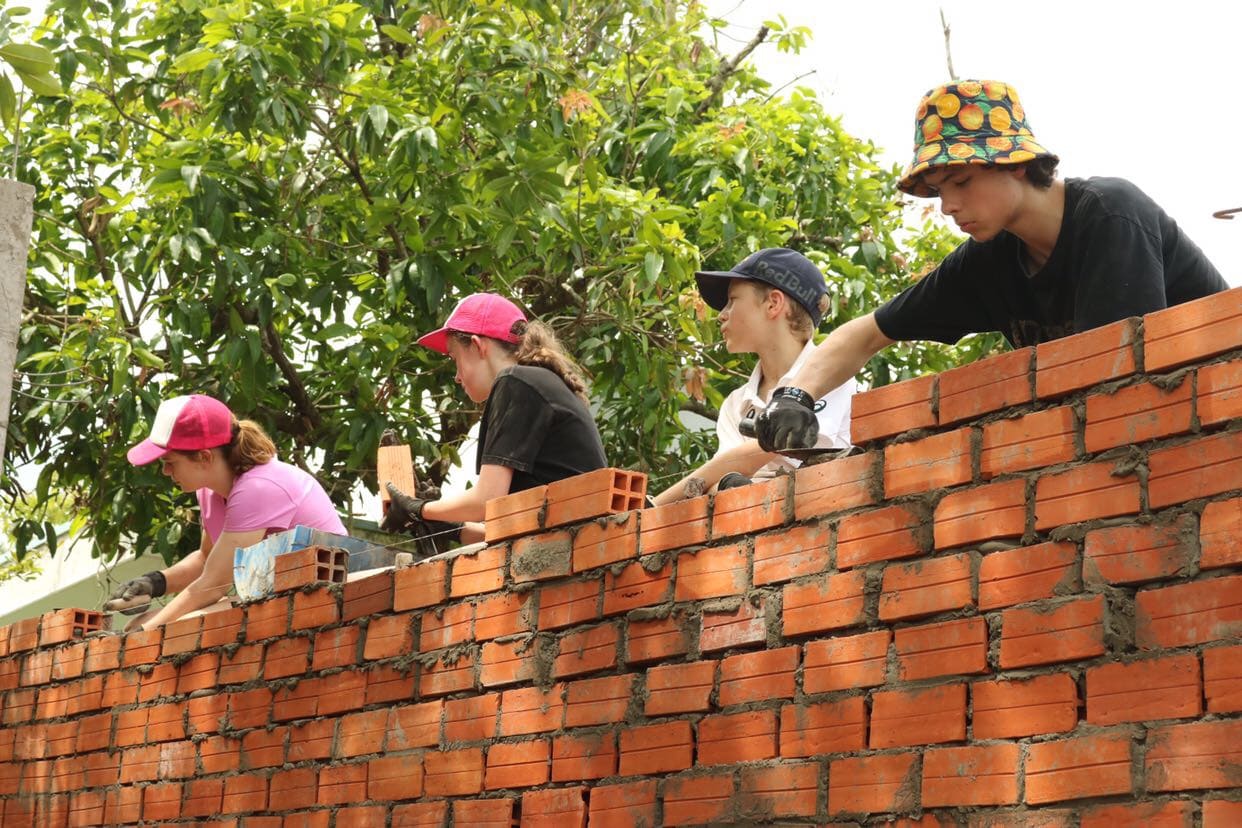
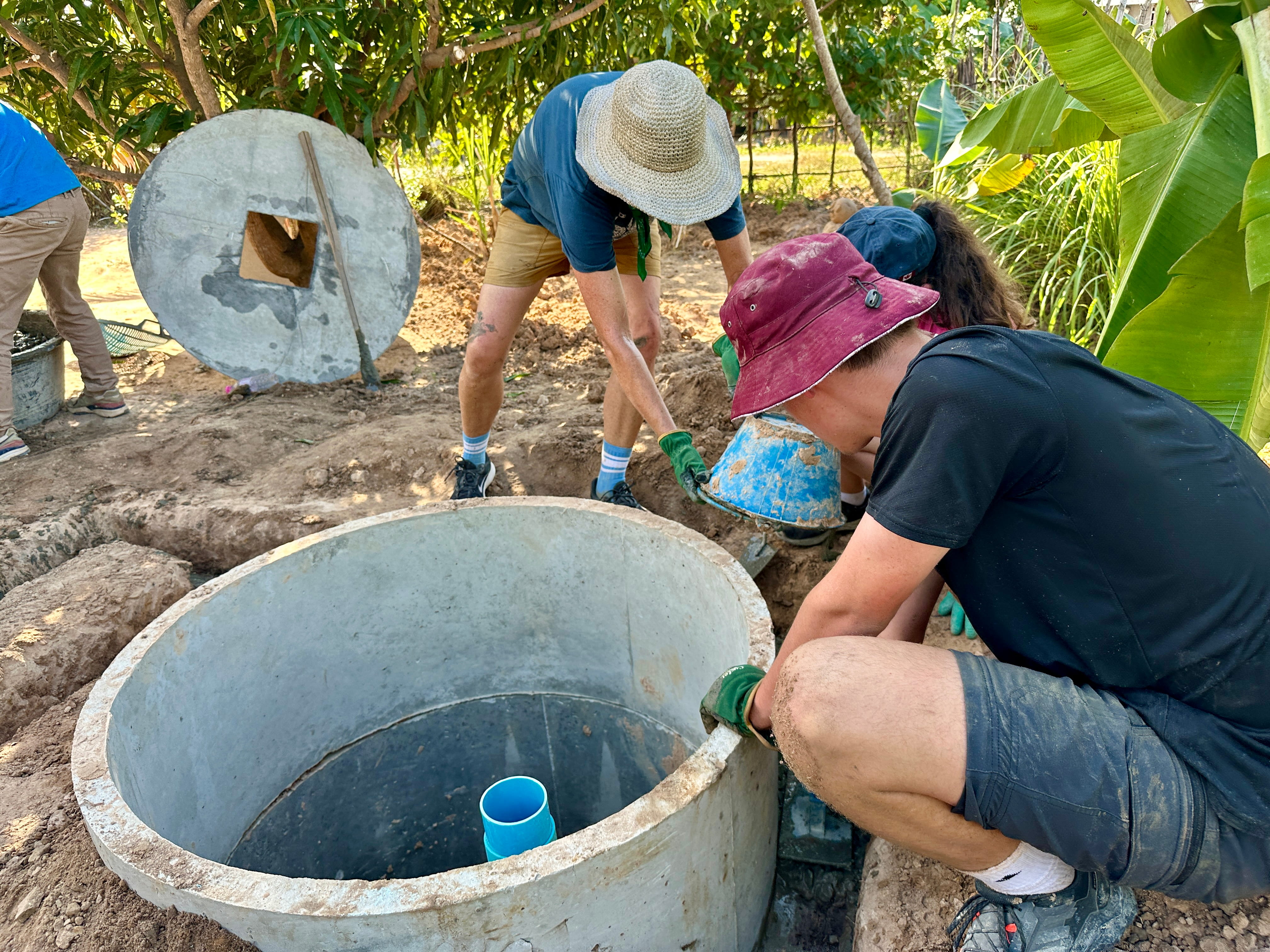
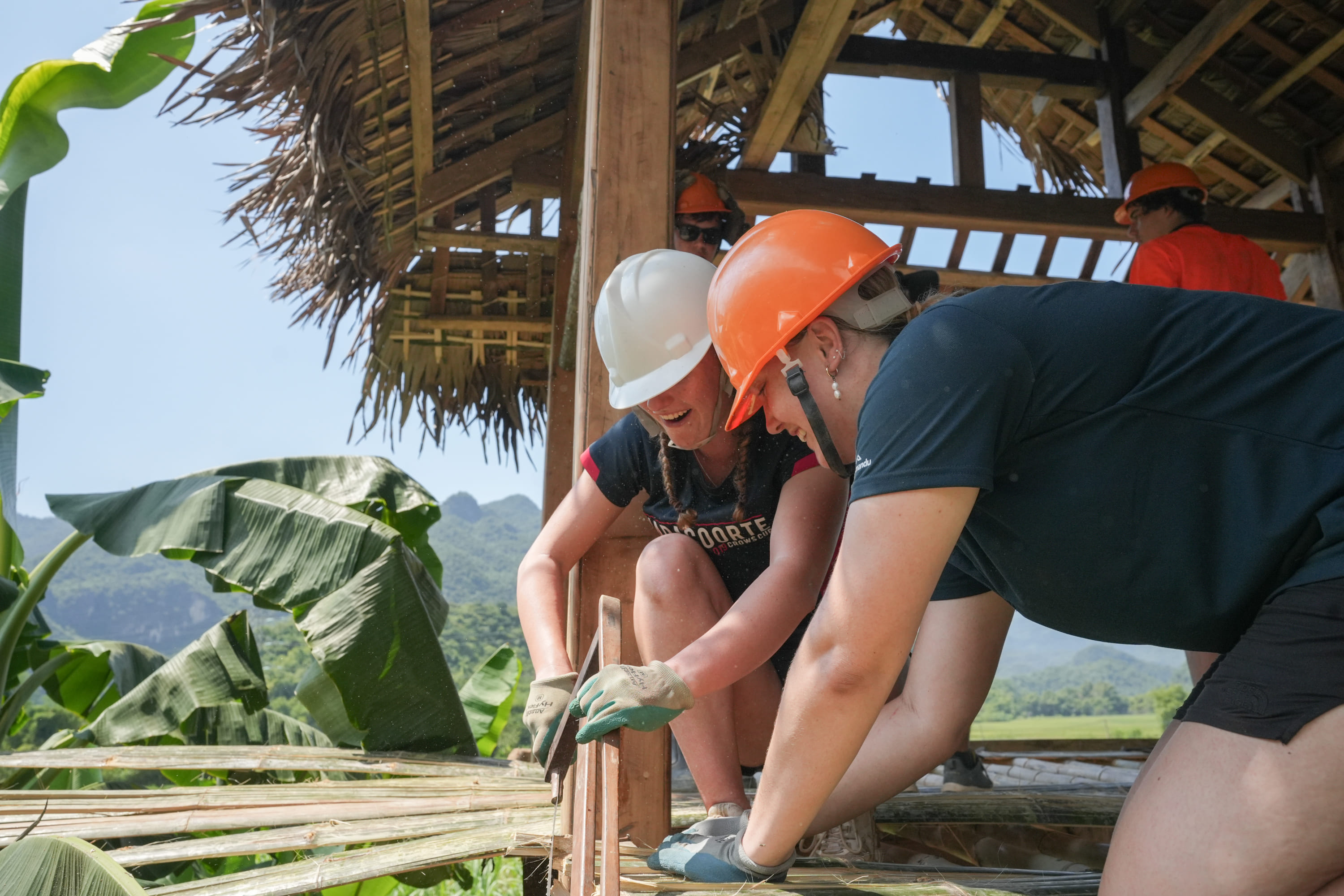
These projects include building, repairing or improving housing, schools, libraries, washroom facilities or other infrastructure and fittings. We also work with communities that require water reservoirs, irrigation systems and animal pens.
As you can imagine, these projects require lots of physical exertion, sweat and some exposure to the elements. Undertaking a construction project also involves hiring expert local tradesmen, assistant builders and transport providers. More substantial construction projects require purchasing locally produced materials, hiring local cooks and booking local homestay accommodation, all of which inject money into the local host community. Fundraising is usually required for these types of projects.
As you can imagine, these projects require lots of physical exertion, sweat and some exposure to the elements. Undertaking a construction project also involves hiring expert local tradesmen, assistant builders and transport providers. More substantial construction projects require purchasing locally produced materials, hiring local cooks and booking local homestay accommodation, all of which inject money into the local host community. Fundraising is usually required for these types of projects.
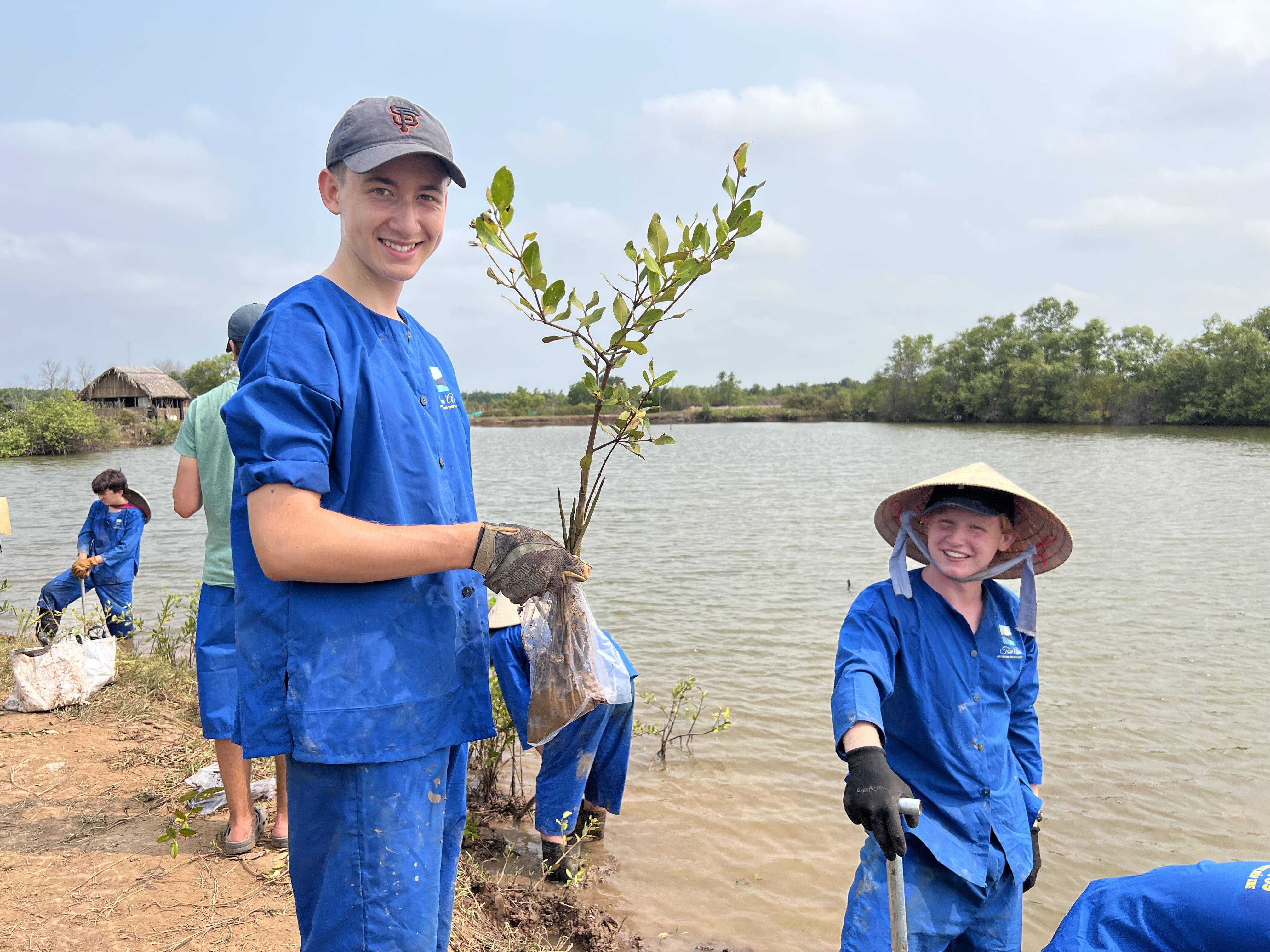
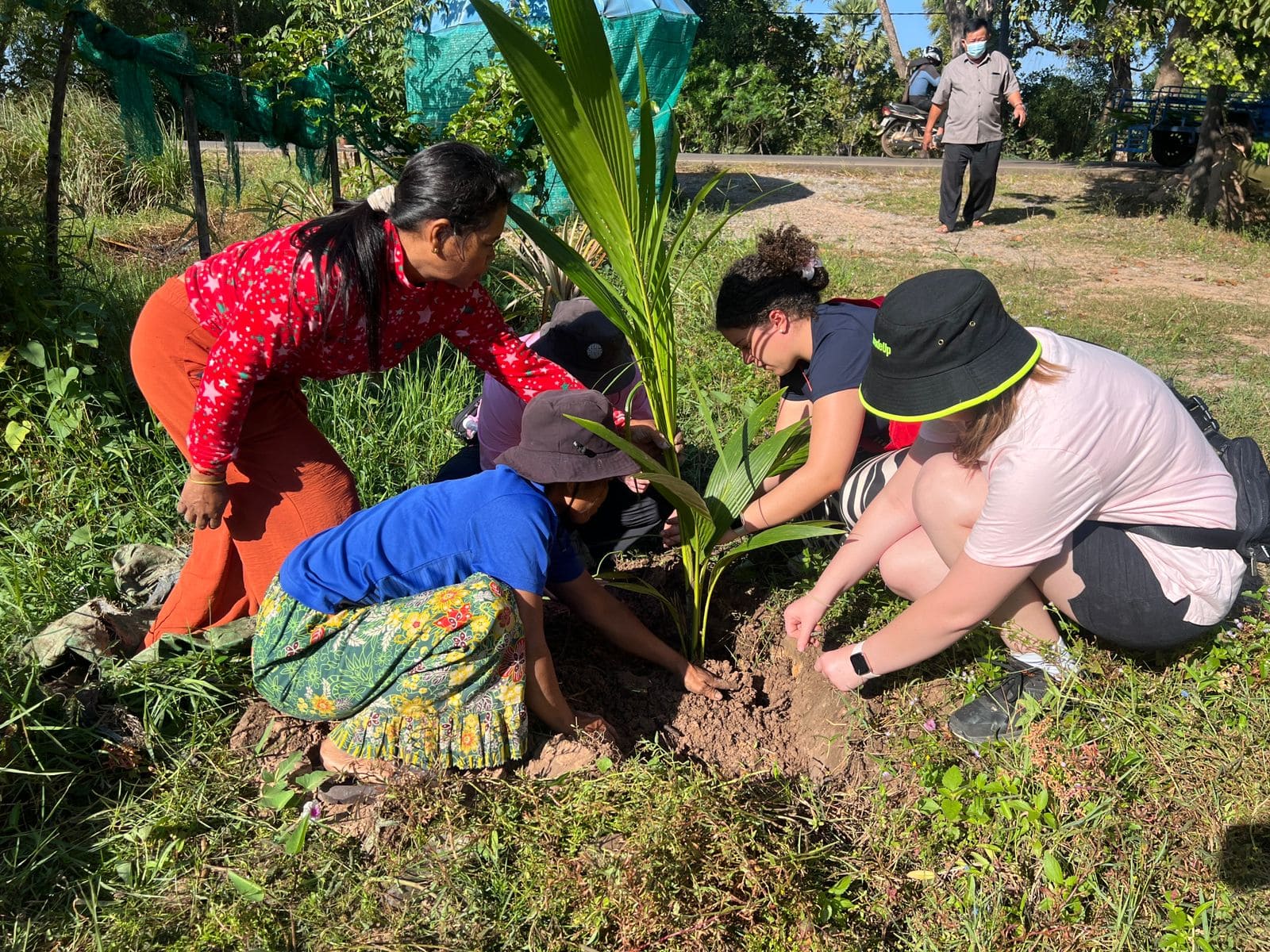
Environmental Projects
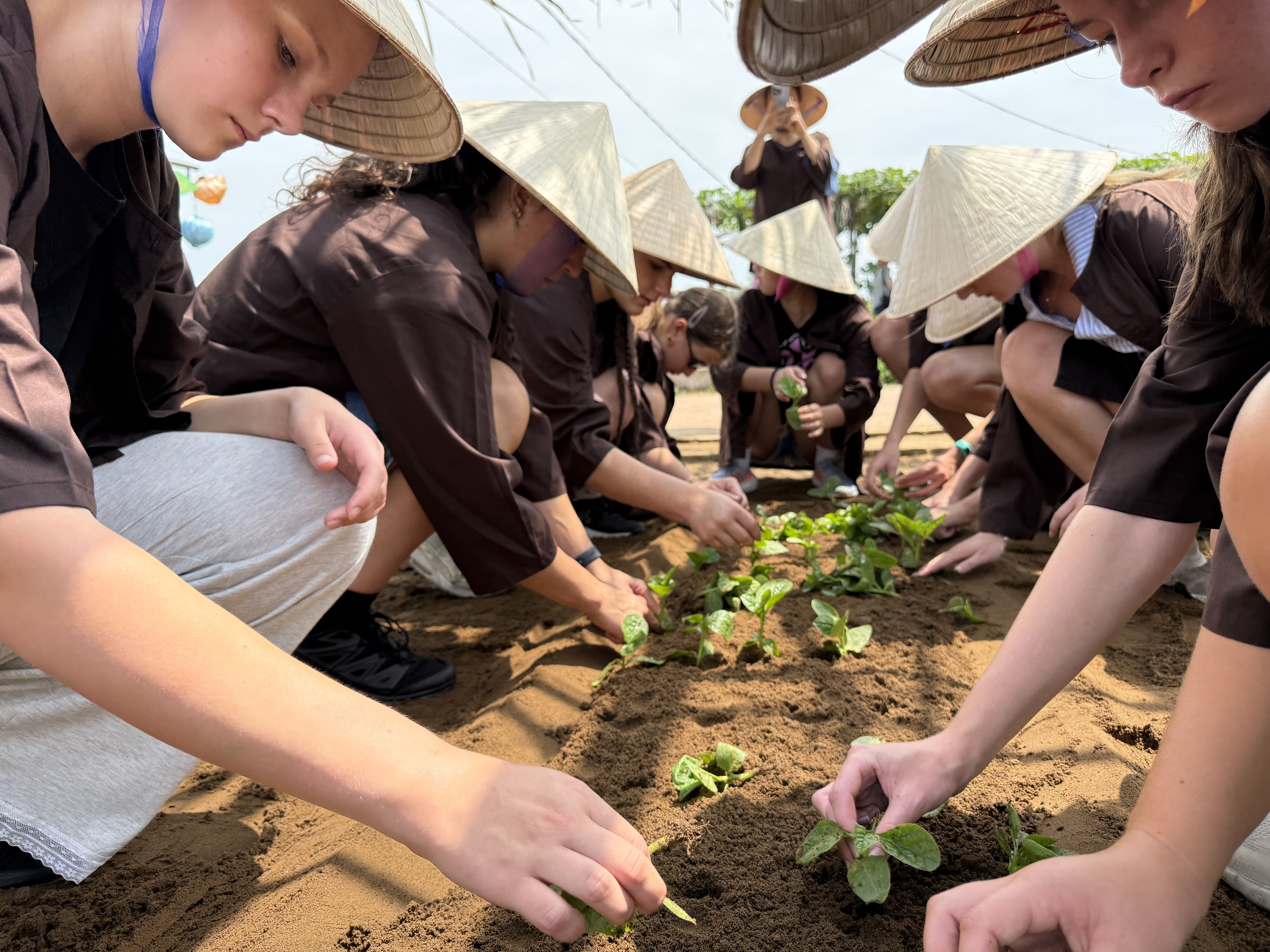
Our environmental projects are wide-ranging. They include activities like: constructing greenhouses with suitable plants; planting cash crop gardens, such as mango and dragon fruit trees; constructing small dams; restoring native vegetation and habitat; setting up solar panels; installing fish farms; and maintaining conservation huts and hiking trails.
By taking part in these projects, students will develop their environmental awareness. They’ll learn about environmental impacts and discover ways to measure the lasting success of an environmental project. As with physical construction projects, fundraising is usually required for these types of projects.
By taking part in these projects, students will develop their environmental awareness. They’ll learn about environmental impacts and discover ways to measure the lasting success of an environmental project. As with physical construction projects, fundraising is usually required for these types of projects.
Community Engagement
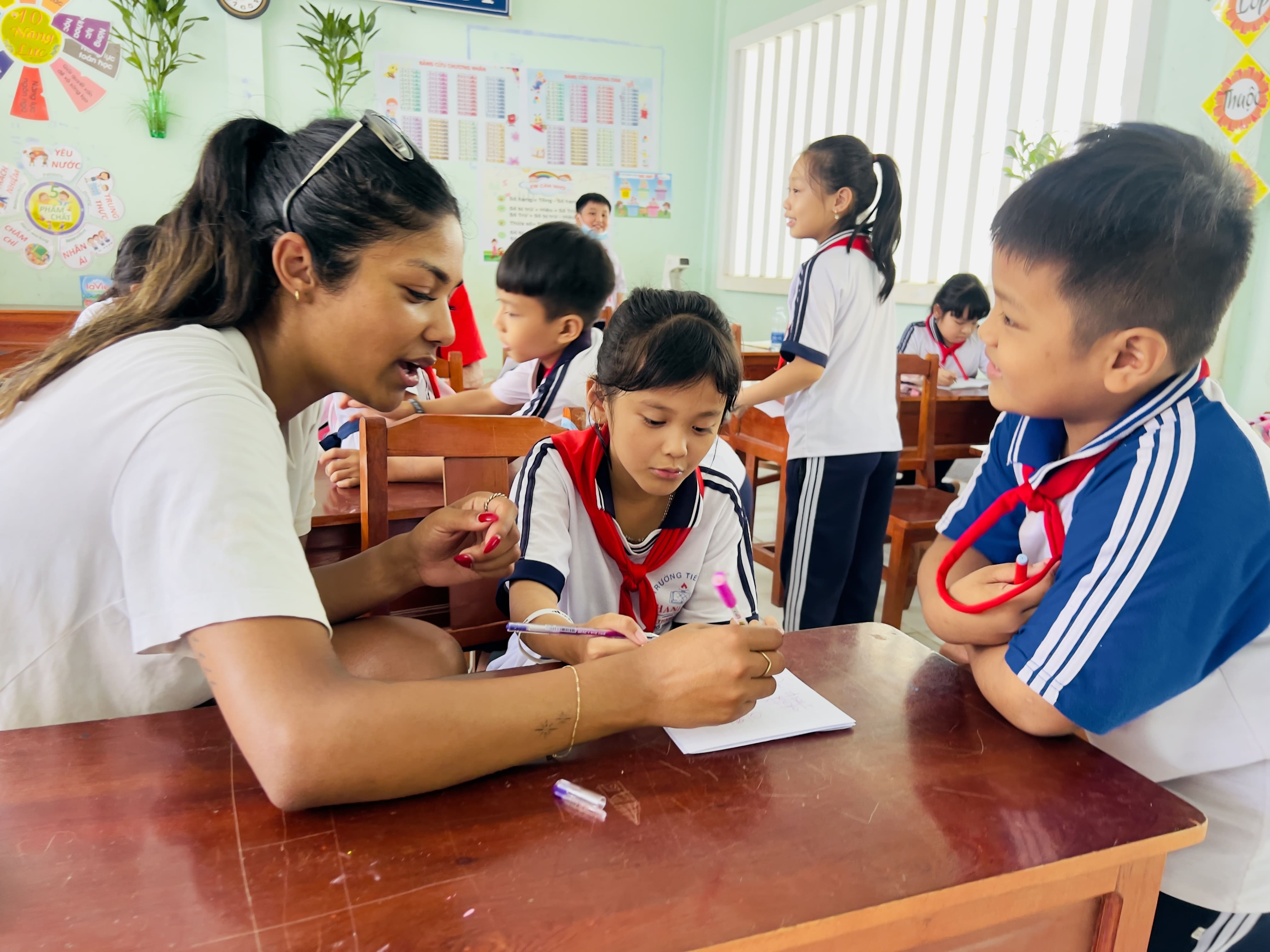
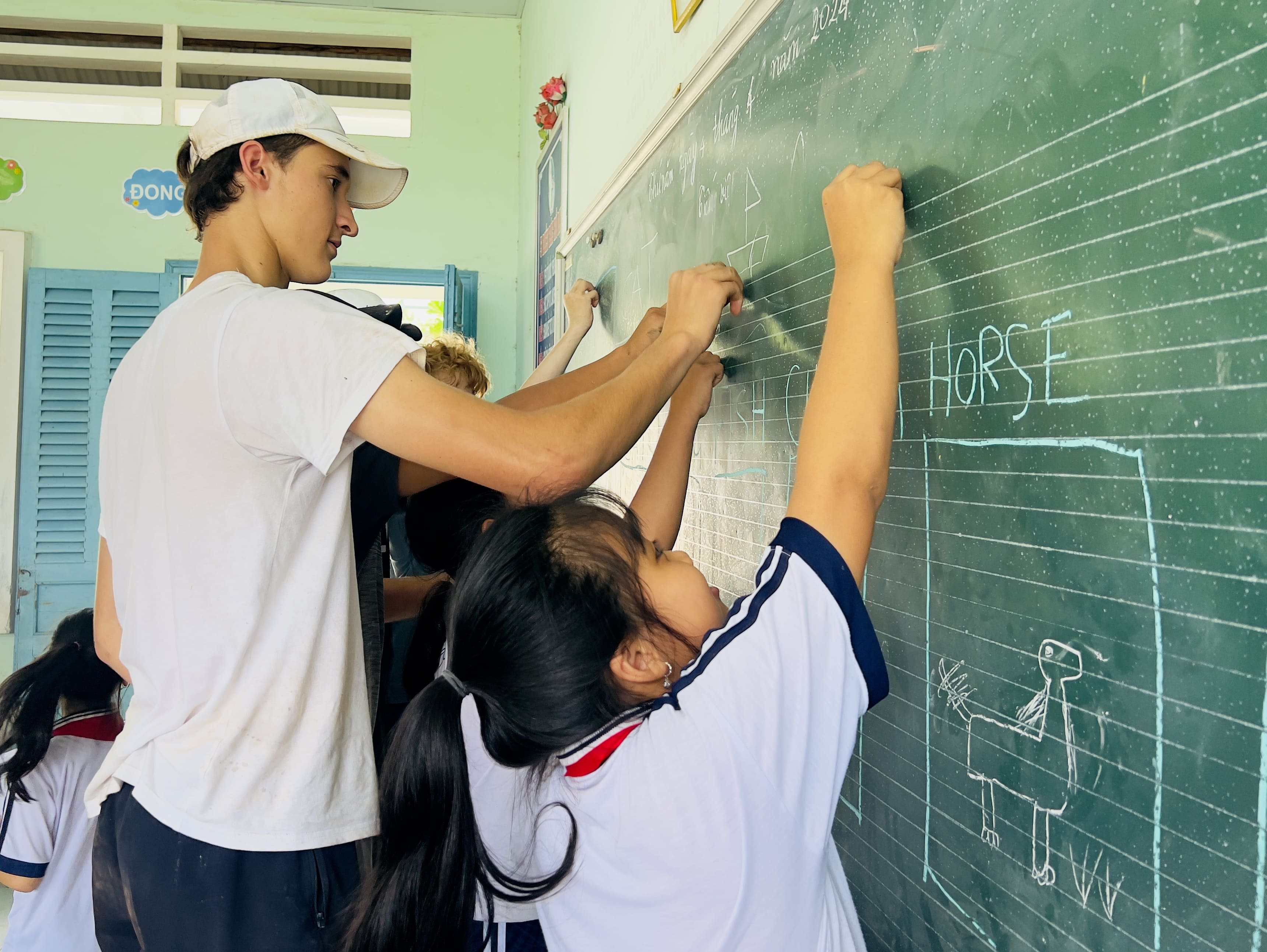
Through our strong relationships with local schools and Non-Government Organisations (NGOs), students can also help deliver social service and education initiatives within a community. Your students will work in government-run classrooms or vocational training programs to help teach English (by following a lesson plan prepared in advance), help implement health programs, or work alongside local students as they learn small business skills.
Skills and Perspectives That Stay With Students
Service-learning helps students understand the people, systems and challenges behind each project. Through action, reflection and guided participation, they build practical skills while gaining a deeper awareness of their role in creating positive change.
A stronger understanding of complex community issues
Practical problem-solving and project management skills
Greater cultural awareness and social responsibility
Insight into how ethical projects are planned and measured
Confidence to reflect, contribute and act with purpose

Service-Learning Questions Schools Often Ask
Find quick answers about community-led projects, program length, student involvement, learning outcomes and how service-learning can fit within a wider school tour.
How are your service-learning programs designed?
All our service-learning programs are instigated by the local community in response to their genuine needs and goals. Every program is conducted only after careful consultation with local community leaders and local authorities.
During consultation, we assess each program to ensure it’s sustainable, ethical and empowers local people. Each project is designed to have lasting economic benefits that build wealth within the community – we’re not in the business of tokenistic hand-outs.
During consultation, we assess each program to ensure it’s sustainable, ethical and empowers local people. Each project is designed to have lasting economic benefits that build wealth within the community – we’re not in the business of tokenistic hand-outs.
What does mutual learning mean?
Our service-learning projects are based on a model of mutual learning. Delivered as an immersion experience within local communities, students grow their skills through meaningful and challenging hands-on projects. They come away with a better understanding of the issue at hand and a broader perspective on the world around them.
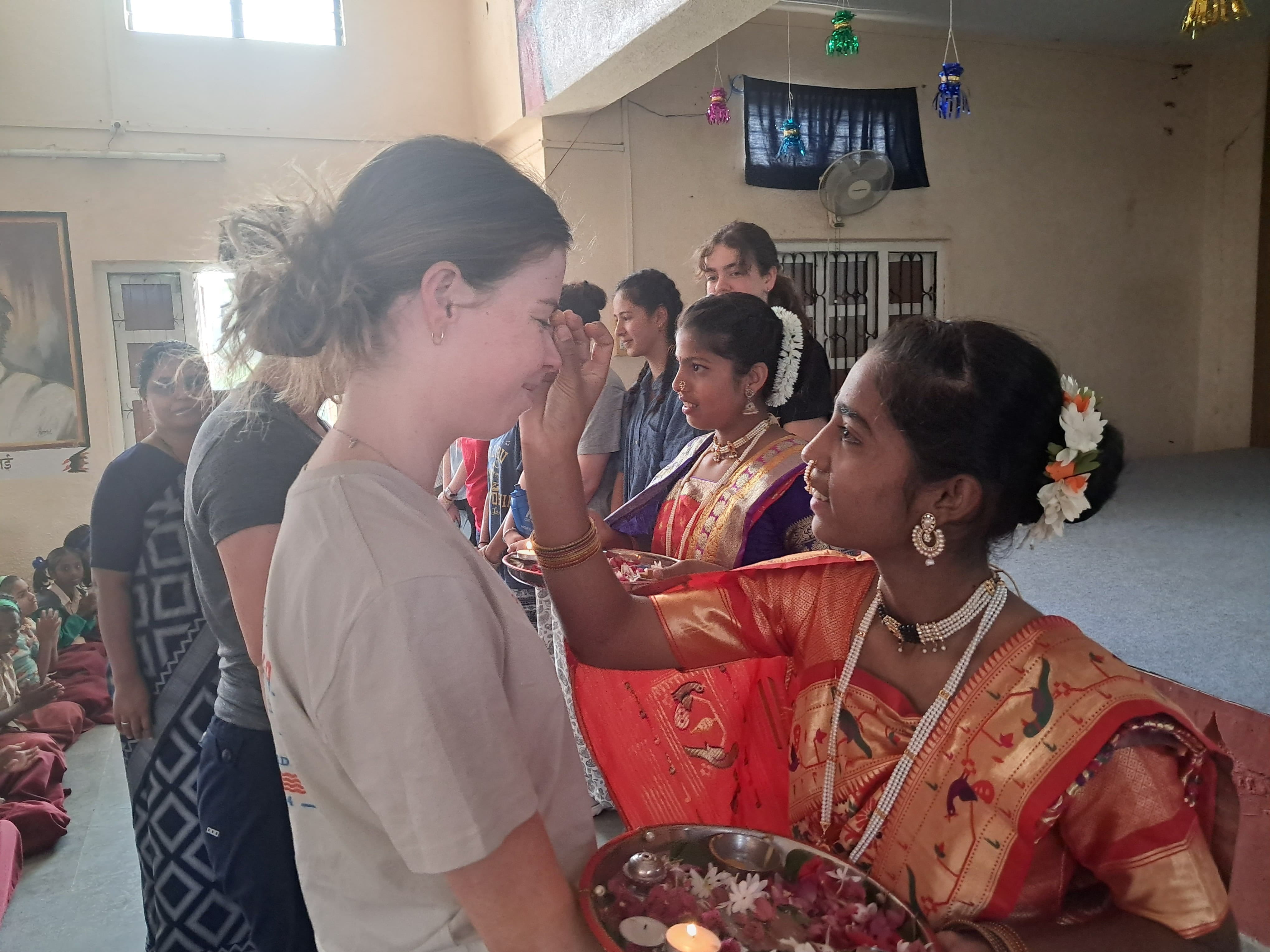
At the same time, local communities receive a range of benefits – from the chance for one-on-one conversation and cultural exchange, to building capacity, strengthening existing services and supporting sustainable wealth creation. Plus, by connecting your school to the local community, our projects also give communities the chance to form enduring connections to a new partner.
At the same time, local communities receive a range of benefits – from the chance for one-on-one conversation and cultural exchange, to building capacity, strengthening existing services and supporting sustainable wealth creation. Plus, by connecting your school to the local community, our projects also give communities the chance to form enduring connections to a new partner.
How long do service-learning programs run?
Our service-learning programs typically range from 1-5 days in length. Within a longer school tour itinerary, you might like to include two or three different service-learning programs to offer students a variety of experiences.
Whatever your requirements and preferences, we’re here to accommodate them, so your students can benefit from a program most relevant to their learning needs. If your school has existing connections with reputable in-country organisations, for instance, we’re happy to work in with those ongoing relationships.
Whatever your requirements and preferences, we’re here to accommodate them, so your students can benefit from a program most relevant to their learning needs. If your school has existing connections with reputable in-country organisations, for instance, we’re happy to work in with those ongoing relationships.
What types of service-learning programs do you offer?
We offer three different types of service-learning programs for students. Whichever program type you choose, your students will gain practical skills and knowledge that they’ll apply throughout their lives.
These include physical construction projects, environmental projects and community engagement programs.
These include physical construction projects, environmental projects and community engagement programs.
What do students learn through service-learning?
Service-learning projects offer your students the chance to develop their knowledge through a process of action and reflection. They’ll ascertain how a project was established, who established it, whether it’s genuinely required and beneficial, and how to measure its outcomes.
Through this process, students will learn common lessons like:
Through this process, students will learn common lessons like:
- What complex and important issues communities face, and how to go about resolving them
- What transparent business operations look like
- How to analyse the merits of the program they participated in
- How to project manage and problem solve the specific issues related to each program
- What costs are involved, and where money is allocated from start to end of the project
Nine Destinations, Endless Learning
Explore educational school tours across Asia and New Zealand, with each destination offering distinct culture, community and real world learning.


Ready to Plan Your Next School Tour?
Tell us where you’d like to go, what your students need to learn and when you’re planning to travel. We’ll help shape an itinerary around your school.