Stories From the Road
Explore recent stories from Edventure programs, student experiences and the communities our travellers connect with along the way.
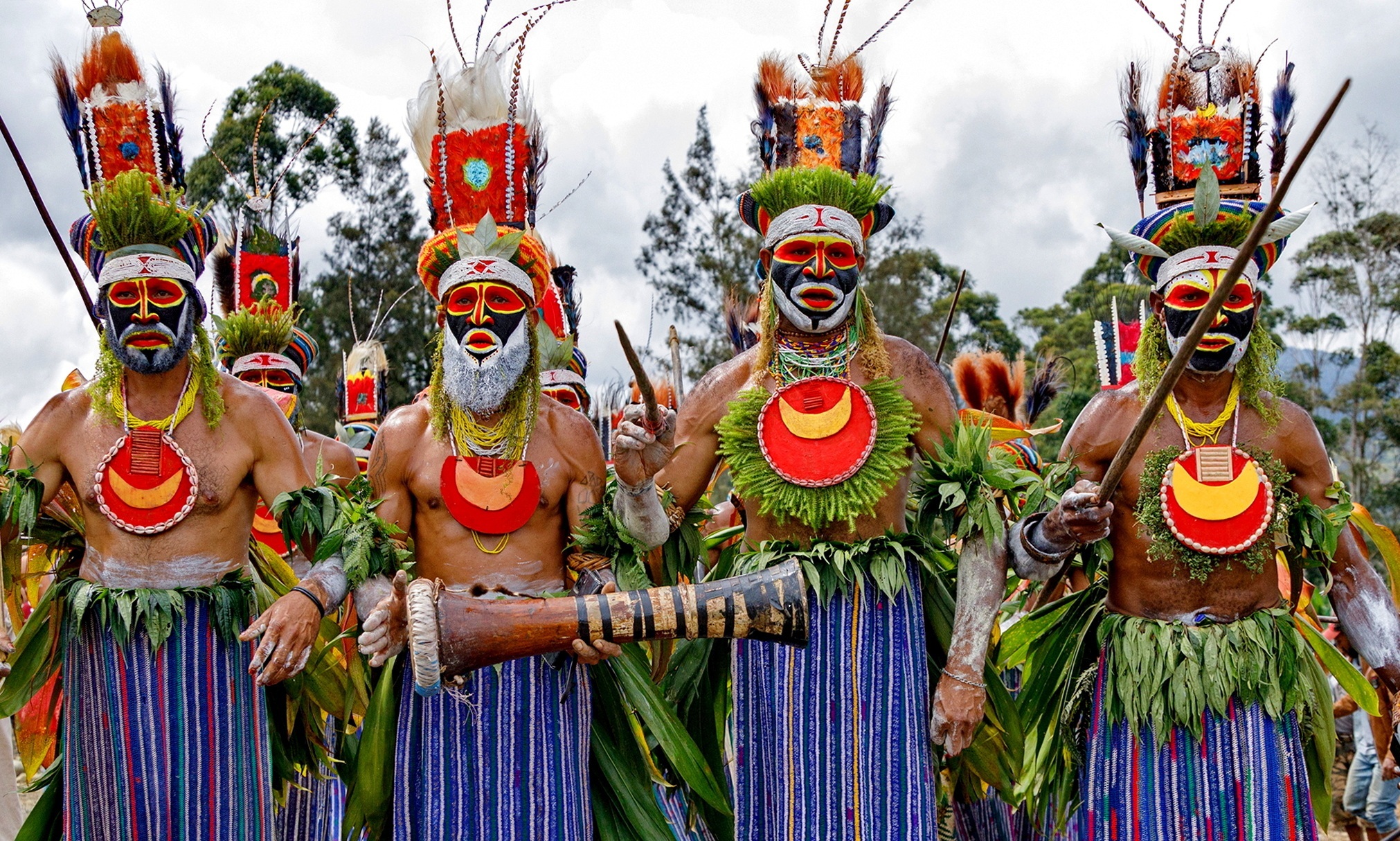
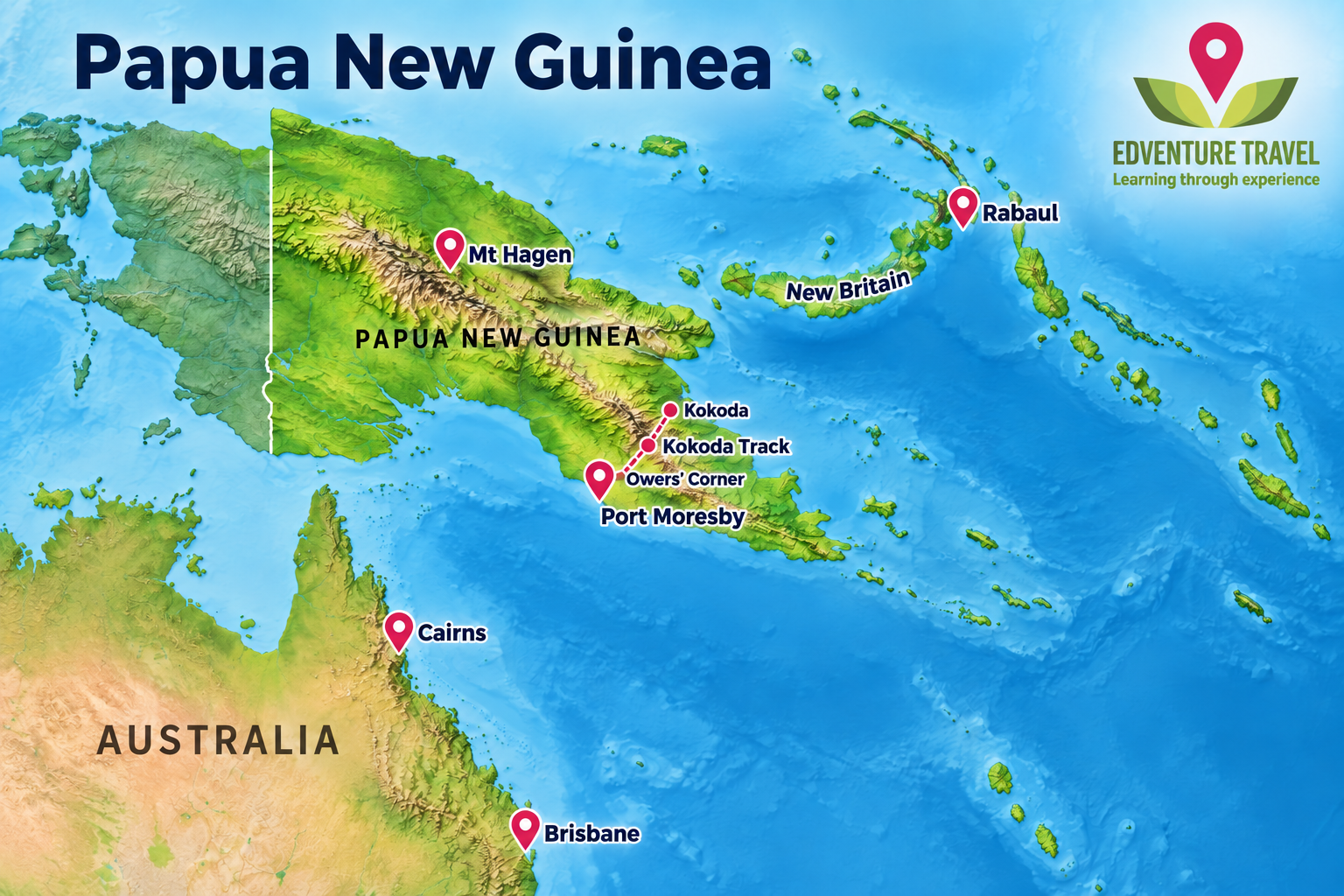
Australia’s closest neighbour, Papua New Guinea offers secondary school students a remarkable educational experience, bringing together traditional cultures, dramatic volcanic landscapes, significant World War II history and Australia’s enduring relationship with PNG and the wider Pacific region.
An Edventure Travel educational tour takes learning into the places where PNG’s history, culture and geography can be experienced firsthand. Students meet traditional communities in the Highlands, visit the southern end of the legendary Kokoda Track, explore the volcanic landscapes of Rabaul and walk through Japanese wartime tunnels and bunkers. These experiences bring classroom learning to life in ways that are difficult to replicate anywhere else.
Travelling through Port Moresby, Mount Hagen and Rabaul, students explore four key educational themes: traditional cultures, volcanoes and geography, WWII history, and Australia–PNG relations. Designed as an educational journey rather than a trekking expedition, the program is accessible to a broad range of secondary school students. Through interaction with local communities, guides and specialists, students develop a deeper understanding of PNG’s extraordinary cultural diversity, its shared history with Australia and its continuing importance as Australia’s closest Pacific neighbour.
• Australian High Commission – Meet diplomatic representatives to learn about Australia–PNG relations, regional cooperation, development, education and Australia’s role in the Pacific.
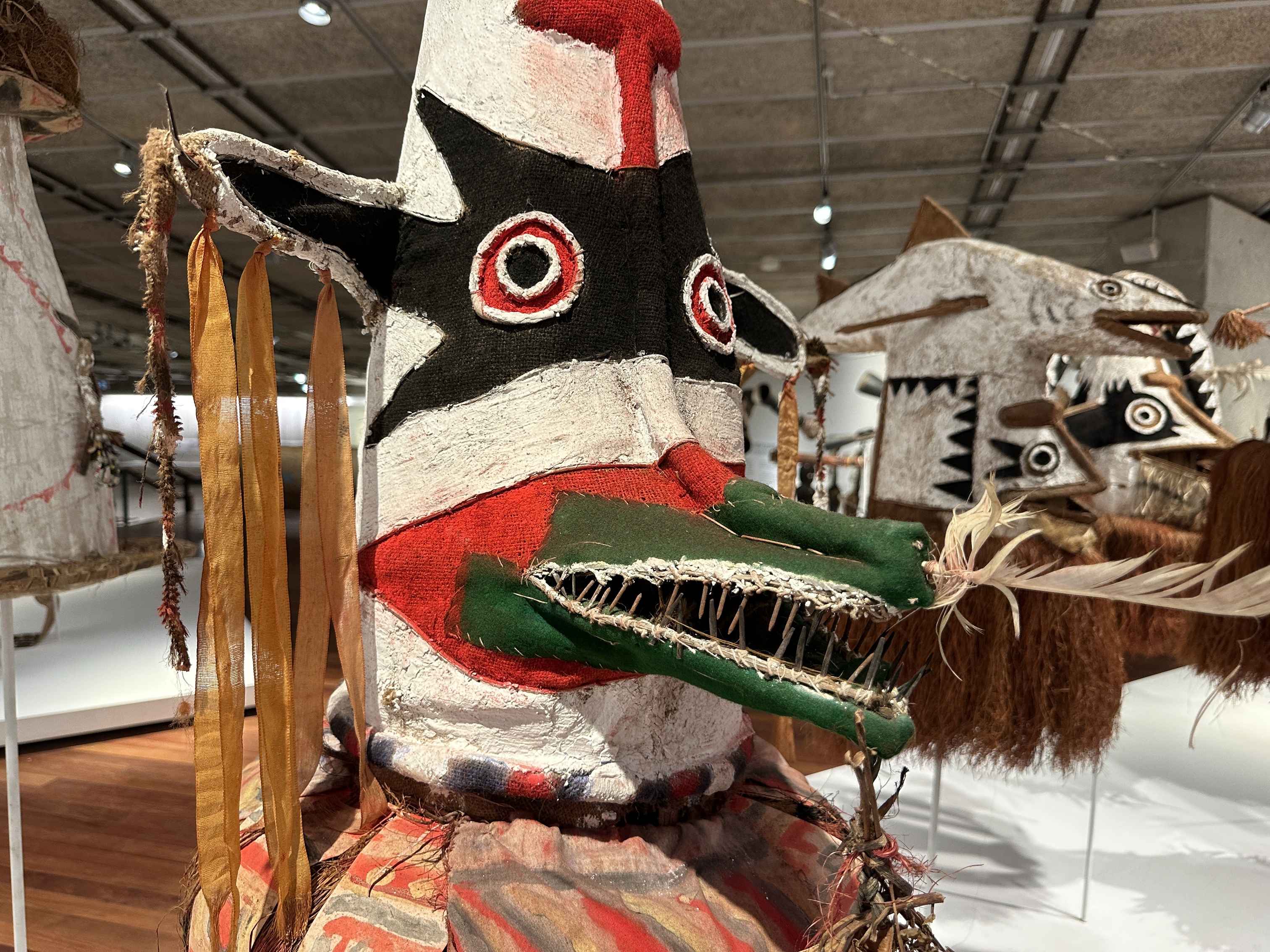
• National Museum and Art Gallery – Explore PNG’s remarkable cultural diversity, traditional art and artefacts, history and the development of a national identity.
• Kokoda and WWII history – Learn why Port Moresby was strategically important during WWII and examine the significance of the Kokoda Campaign to both Australia and PNG.
• Kokoda Track visit – Visit the southern end of the Kokoda Track at Owers’ Corner, learn about the Kokoda Campaign from both the Australian and Japanese perspectives, and visit Bomana War Cemetery, the largest Commonwealth war cemetery in the Pacific. (No trekking involved.)
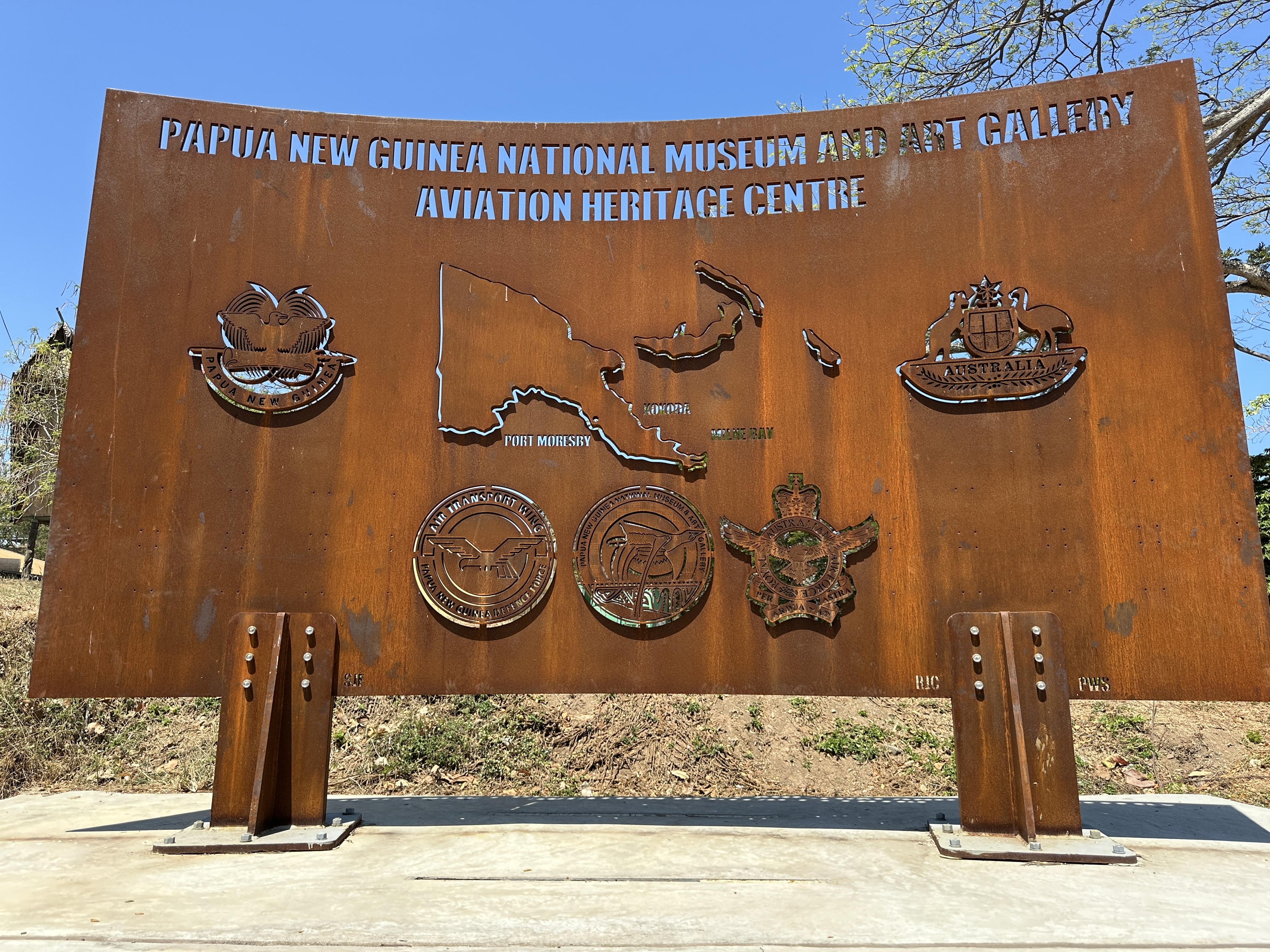
• Papua New Guinea Aviation Heritage Centre in Port Moresby - Showcases historic aircraft and aviation artefacts, exploring PNG’s rich aviation history and the important role aircraft played during WWII and in connecting the country’s remote communities.
• Modern Port Moresby – Discover PNG’s capital and consider the contrasts between traditional cultures, urbanisation, economic development and modern life. Visit vibrant weekend markets to see tribal handicrafts, artwork, and locally made products.
• Highlands village experience – Meet local communities and learn about clan structures, traditional leadership, family life, housing, beliefs and the importance of land.
• Traditional mumu – Experience the preparation of a traditional earth-oven meal and learn about the cultural importance of food and community gatherings.
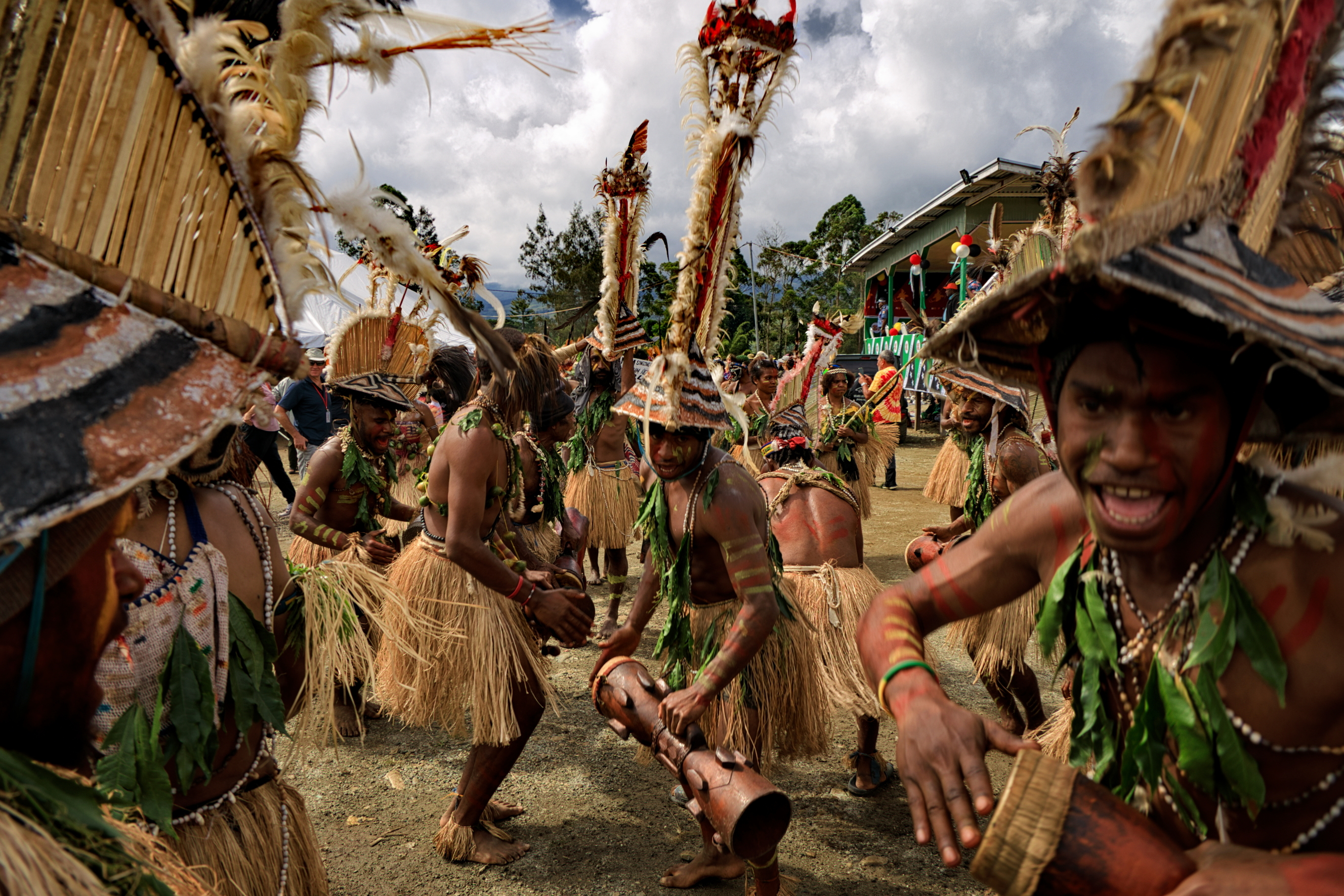
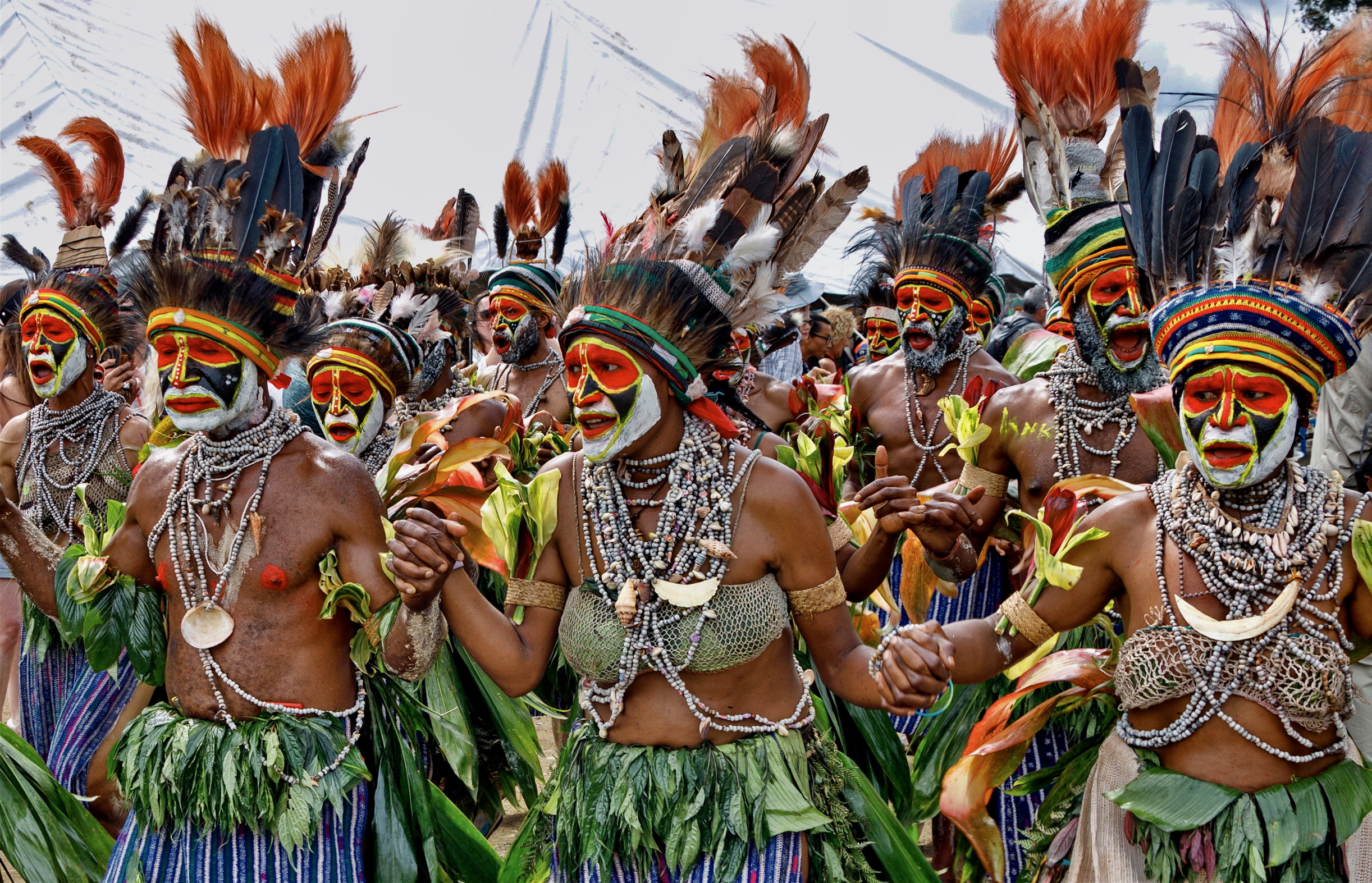
• Sing-sing and cultural performance – Experience traditional dress, body decoration, music, dance and storytelling while learning how cultural traditions are passed between generations.
• Mount Hagen Cultural Show (when tour dates coincide – August only) – Witness one of PNG’s major cultural gatherings, bringing together numerous cultural groups from across the country. Watch a 3-minute highlight video of the 2026 Mt Hagen Cultural show, here.
• Rabaul Volcanological Observatory – Learn how scientists monitor volcanic activity and how communities prepare for the risks of living within an active volcanic region.
• Tavurvur volcanic landscape – Explore volcanic ash fields, hot springs and steaming areas while learning about tectonic activity and the devastating 1994 eruption.
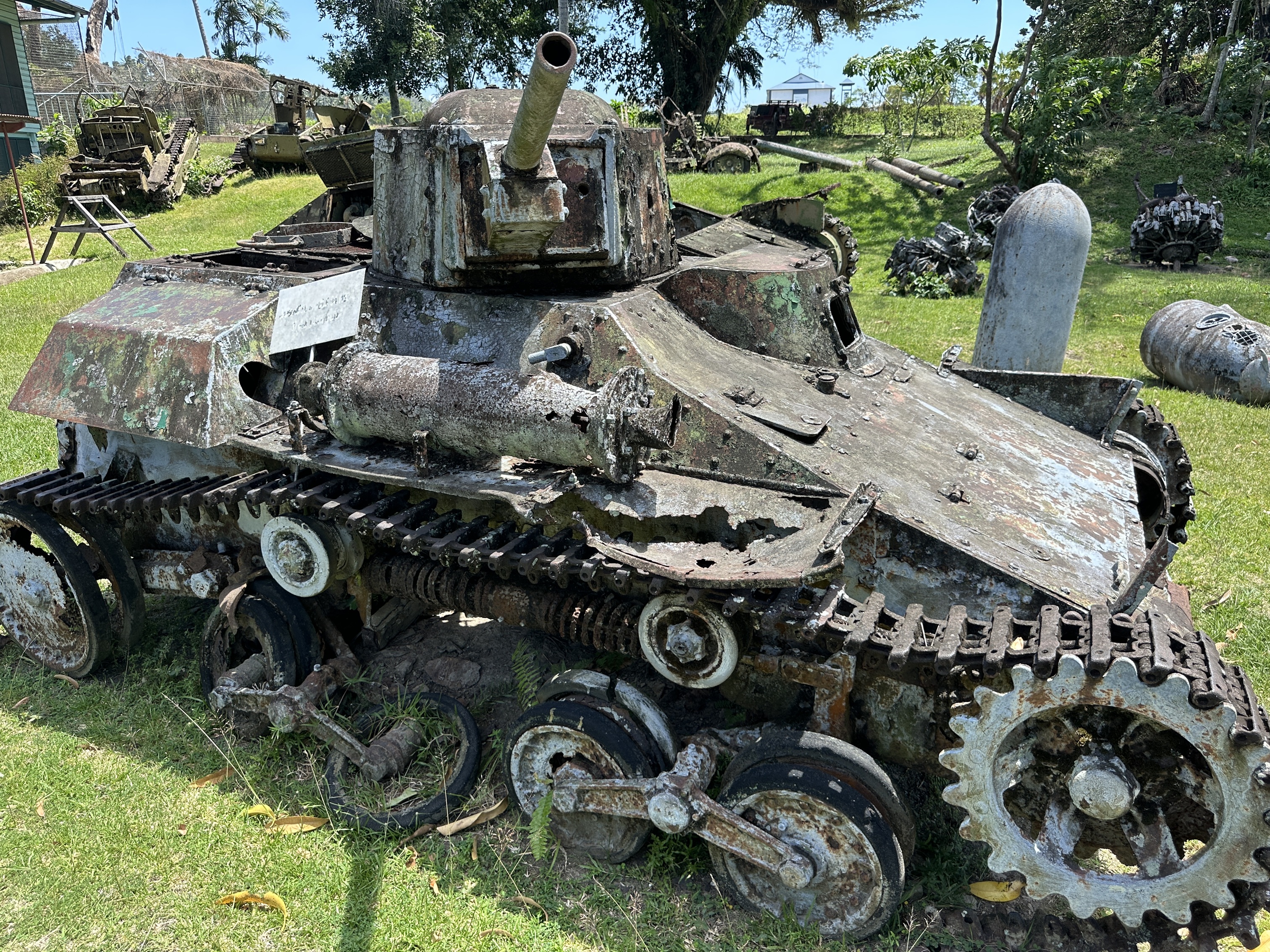
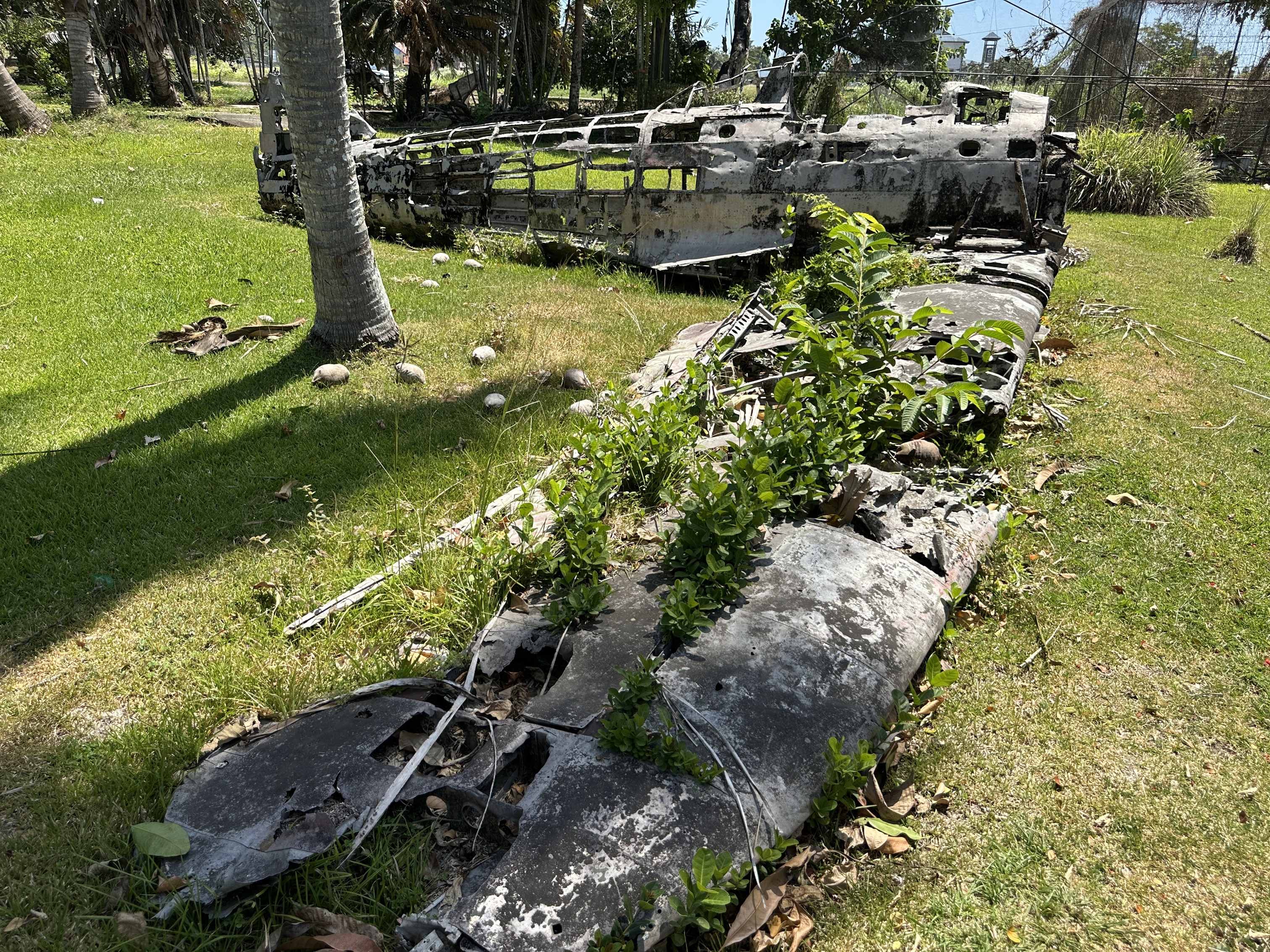
• Japanese tunnels and bunkers – Walk through surviving underground military structures and discover how Japanese forces transformed Rabaul into a major Pacific military base. Watch a 3-minute highlight video of the war relics around Rabaul, here.
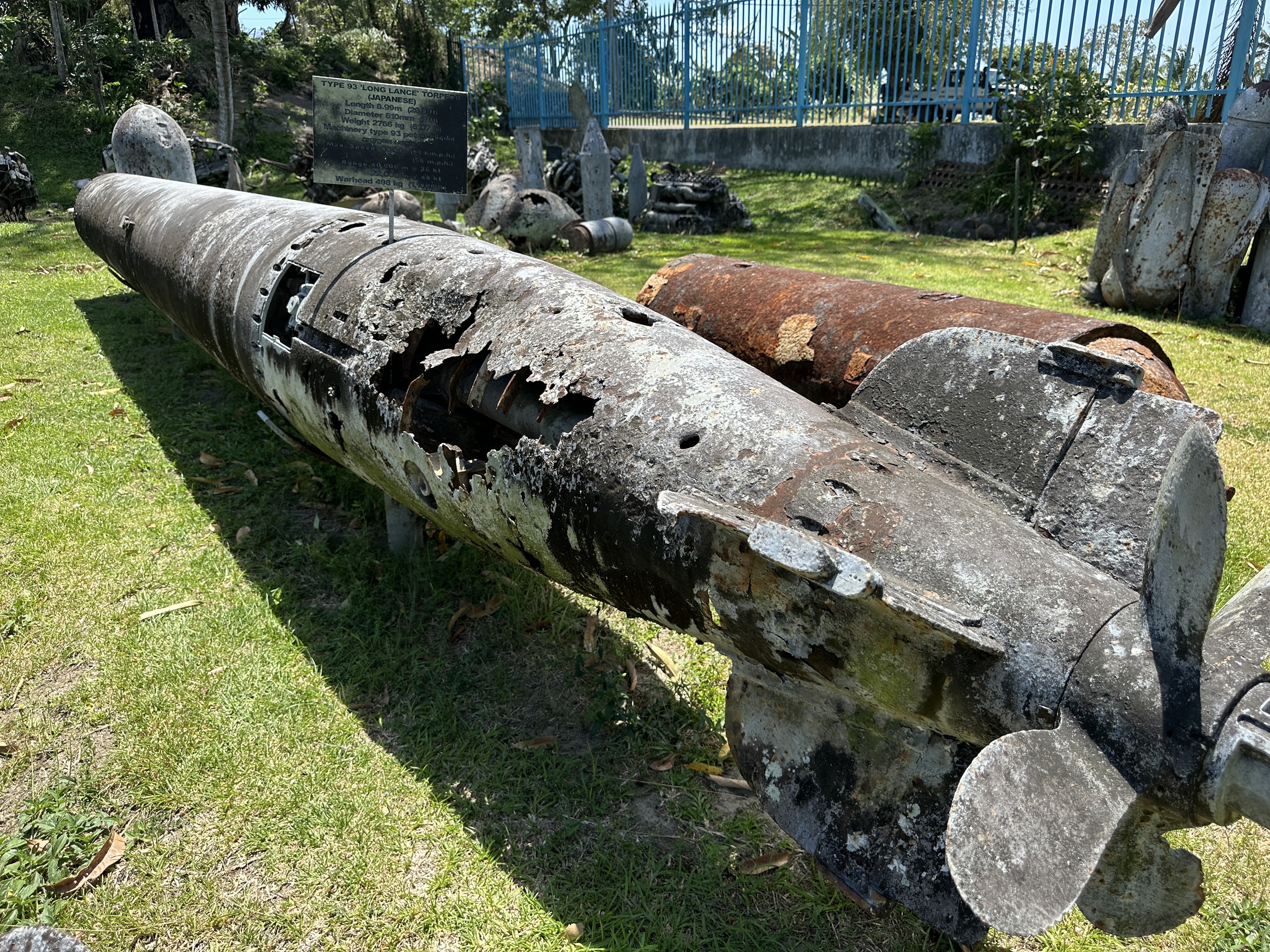
• Japanese barge tunnels and submarine base – Examine wartime coastal defences and learn how geography and the natural landscape were used to protect military equipment from Allied attack.
• Australian WWII history – Follow the story of the Australian defence of Rabaul, the Japanese invasion of January 1942, prisoners of war and the wider Pacific War.
• War memorials and historic sites – Consider how Australia, Papua New Guinea and Japan remember the events of WWII and why Rabaul remains an important place of remembrance today. Lay a wreath at the RSL Cenotaph – the site of the ANZAC Day service held on 25 April.
• Tribal Experience – Visit a Baining village and experience the spectacular traditional Fire Dance, where initiated men wearing large, elaborate masks perform around and through a bonfire.
Ready to plan your next trip? Be in touch to discuss your school’s future travel program to Asia or New Zealand.